Cannoli
Homemade cannoli with delicate fried shells and a ricotta custard filling, finished with chocolate or pistachios if you like.
Prep 1 hr 15 min · Cook 25 min · Total 4 hr 55 min · Makes 16 cannoli

Ingredients
- For the shells:
- 4 1/2 ounces all-purpose flour, such as Gold Medal, plus more for dusting
- 1 ounce unsalted butter
- 1 teaspoon Diamond Crystal kosher salt; for table salt, use about half as much by volume or the same weight
- 1/16 teaspoon ground cinnamon
- 3 ounces cold tap water
- For the filling:
- 4 1/2 ounces plain or toasted sugar
- 1 ounce cornstarch
- 1/4 teaspoon Diamond Crystal kosher salt; for table salt, use about half as much by volume or the same weight
- 1 large egg
- 1 large egg yolk, white reserved for the shells, see below
- 8 ounces milk, any percentage will do
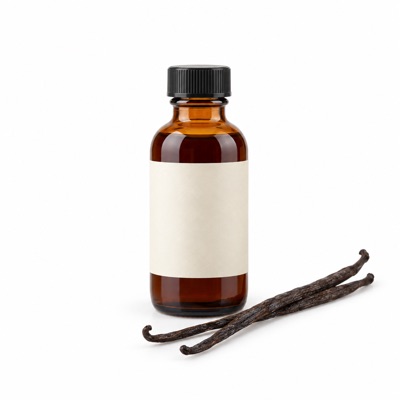
- 1/2 ounce vanilla extract
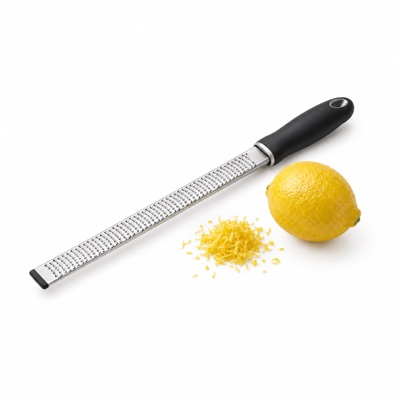
- 1 teaspoon lemon zest
- 20 ounces fresh ricotta, strained to a sour cream-like consistency if needed
- To Fry:
- 42 ounces refined coconut oil, such as Nutiva, or other solid fat like vegetable shortening, lard, or palm oil
- 1 egg white, well beaten
- To Serve:
- 3 ounces finely chopped dark chocolate
- 3 ounces finely chopped pistachios
Directions
- Make the dough by adding the flour, butter, salt, and cinnamon to a food processor. Pulse for about 30 seconds, until you no longer see pieces of butter, then pour in the water and process until the dough climbs the blade and turns smooth, stretchy, and silky. Expect this to take about 2 minutes, though the exact time depends on your machine. Scrape the dough into a lightly greased bowl, cover it well, and leave it to rest at room temperature for at least 2 hours, or as long as 24 hours if the room is cool.
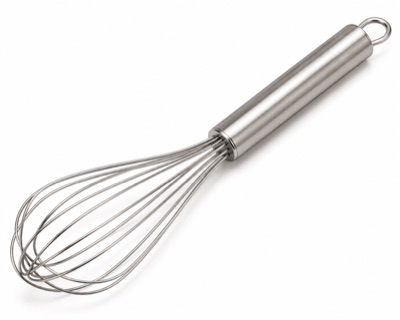
- For the filling, place the sugar, cornstarch, and salt in a 3-quart stainless steel saucier and whisk to combine. Add the egg, yolk, and milk, whisking until the mixture is smooth. Set the pan over medium-low heat and cook, whisking steadily but gently, until it feels warm, about 3 minutes. Raise the heat to medium and whisk more briskly until the custard starts to thicken, about 2 minutes more. It may look bumpy at first, almost curdled, but keep whisking until it comes together into a glossy, smooth custard.
- As soon as the thick custard starts bubbling, start timing and cook it for exactly 1 minute while continuing to whisk. Take the pan off the heat and stir in the vanilla extract, lemon zest, and cinnamon. Spread the custard over a large plate or pie dish in a thin layer so it cools faster, then press plastic wrap directly onto the surface to keep a skin from forming. Chill until cool and thick, about 1 hour, or until it reaches 68 degrees F. You can also refrigerate the custard up to 1 week, then let it come back to about 68 degrees F before continuing.
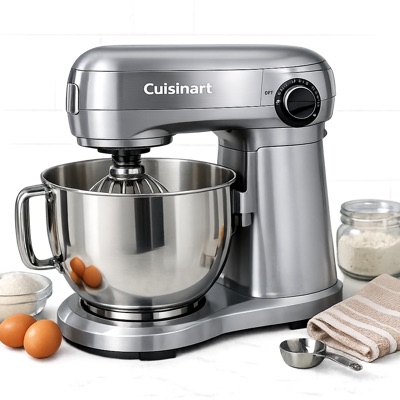
- Beat the cooled pudding in a stand mixer fitted with the paddle attachment until creamy and smooth. You can do this by hand with a flexible spatula too, even if it seems stubborn at the start. Fold in the ricotta, then refrigerate the filling in an airtight container until you need it, up to 3 days.
- Turn the soft dough out onto a generously floured work surface. Use enough flour to keep it from sticking as you roll it to about 1/16 inch thick. Sweep away extra flour, then brush the top lightly with egg white. Fold the dough in half with care, dust again with flour, and roll it once more to 1/16 inch. Lift it gently to check that it is not stuck to the counter, then cut it into 3 1/2-inch rounds. Gather the scraps, roll them again, and cut more rounds the same way.
- Add the refined coconut oil, or whichever solid fat you are using, to a 5-quart Dutch oven made from stainless steel or enamel-coated cast iron, and melt it. Attach a digital thermometer and heat the fat over medium heat to 360 degrees F. While it warms, cover a baking sheet with 3 layers of paper towels and shape the shells.
- Lightly coat the cannoli forms with pan spray or oil. Set a form on each dough round, then wrap the dough around it, sealing the overlapping edges firmly with a little egg white. The dough should fit snugly but not tightly; too tight makes the forms hard to pull out after frying, while too loose lets the dough slip around.
- Fry 3 or 4 cannoli at a time, lowering the wrapped forms carefully into the hot oil. Cook until the dough blisters and turns a light golden color, about 2 minutes. If the weight of the forms pulls any to the bottom, shift them occasionally with kitchen tweezers or tongs so they do not scorch. Once they are golden, lift them out by gripping the pastry shell, not the slick metal form, and move them to the prepared baking sheet.
- While the shells are still hot, use kitchen tweezers or tongs to tap the narrow end of each form against the tray so the shell slips off. Let the forms cool, then use them again to shape and fry the rest of the dough. Cool the shells to room temperature and use them right away, or keep them in an airtight container for up to 1 week. If you fried in liquid oil, do not make the shells ahead.
- To serve, spoon the ricotta filling into a pastry bag fitted with a 1/2-inch plain round tip. Slide the tip into a shell until it reaches the center, then pipe with steady pressure while slowly pulling the tip back toward the edge. Stop piping when you reach the end, then pull the tip away. Fill the other side the same way, and repeat with the remaining shells. If desired, dip 1 or both ends of each filled cannoli into chopped chocolate and pistachio pieces. Enjoy right away, or cover with plastic and refrigerate up to 4 hours. This holding time only applies to shells fried in refined coconut oil; shells fried in liquid oil will not hold for more than a few moments.