How to Make Beef Stock
A rich beef stock built from browned bones, beef scraps, vegetables and herbs for deeply savory soups, sauces, braises and gravies.
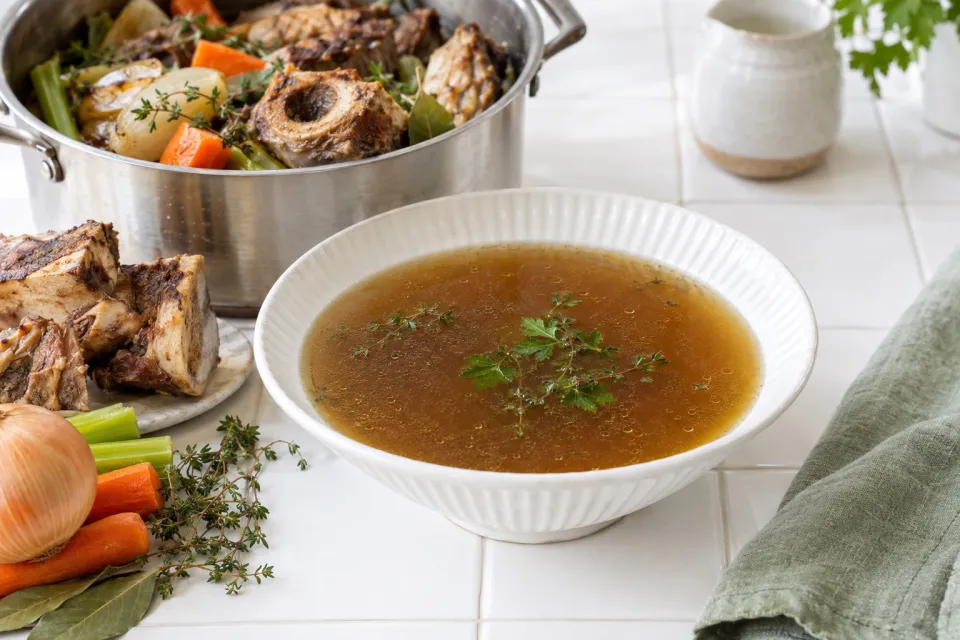
Ingredients
- 4-5 pounds meaty beef stock bones, including some knuckle bones if possible, cut to expose the center marrow, and include at least a couple veal bones if you can, for their gelatin
- 1 pound of stew meat and/or beef scraps, cut into 2-inch chunks
- Olive oil
- 1-2 medium onions, peeled and quartered
- 1-2 large carrots, cut into 1-2 inch segments
- Handful of celery tops, or 1 large celery rib, cut into 1 inch segments
- 2-3 cloves of garlic, unpeeled
- Handful of parsley, stems and leaves
- 1-2 bay leaves
- 10 peppercorns
Directions
- Heat the oven to 400 degrees F. Lightly coat the stew meat pieces, carrots, and onions with olive oil, then arrange them in a broad, low-sided roasting pan with the stock bones and beef scraps. Roast for about 45 minutes, flipping the bones and meat midway through, until everything has taken on good color. If any bones start to blacken, turn the oven down; you want deep browning, not scorching.
- Transfer the browned bones, meat, and vegetables to a large 12 to 16 quart stock pot. Set the roasting pan over low heat on the stovetop, spanning 2 burners, and add 1/2 cup to a cup of hot water. Scrape the pan well with a metal spatula to loosen the browned bits from the bottom, then pour that flavorful liquid into the stock pot.
- Add the celery tops, garlic, parsley, bay leaves, and peppercorns to the pot. Pour in cold water until it sits 1 to 2 inches above the bones. Turn the heat to high, bring the liquid to a very low simmer, then drop the heat to low.
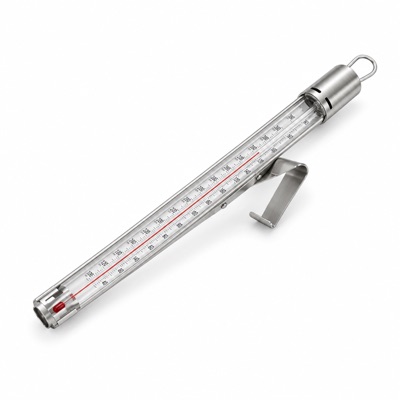
- If you are checking with a candy or meat thermometer, aim for 180 degrees to 200 degrees F; a full boil is 212 degrees F. You should see only the occasional bubble breaking the surface. If needed, move the pot to your smallest burner at its lowest setting, or use an oven-safe pot and hold it in the oven at 190 degrees F.
- Set the lid on loosely and let the stock cook gently for 3-6 hours.
- Leave the stock unstirred as it cooks, since stirring can work the fat into the liquid and make it cloudy. As fat and scum collect on top, check the pot now and then and lift them off with a large metal spoon. Do not pour that fat into the sink, where it can harden and clog the drain; collect it in a bowl or jar to use later or throw away.
- When the cooking is finished, after at least 3 hours or, if possible, 6 to 8 hours, carefully lift out the bones and vegetables with a slotted spoon or spider ladle and discard them. If you come across a piece of marrow, taste it.
- Set a fine mesh sieve over another large 8-quart pot, adding a couple layers of cheesecloth if you have them. Pour the stock through the sieve so the remaining solids are strained out.
- Cool the stock to room temperature, then refrigerate it. Once chilled, any leftover fat will rise and firm up on the surface. That layer helps protect the stock while it is in the refrigerator, but if you are freezing it, skim and discard the fat cap first, then transfer the stock to a jar or plastic container. For a more compact option, skim away the fat and simmer the liquid until it is concentrated enough to need less storage space. Leave an inch of head room between the stock and the top of the jar, so the liquid has room to expand as it freezes without breaking the container.